What this leadership shakeup says about values, velocity, and the future of superintelligence.
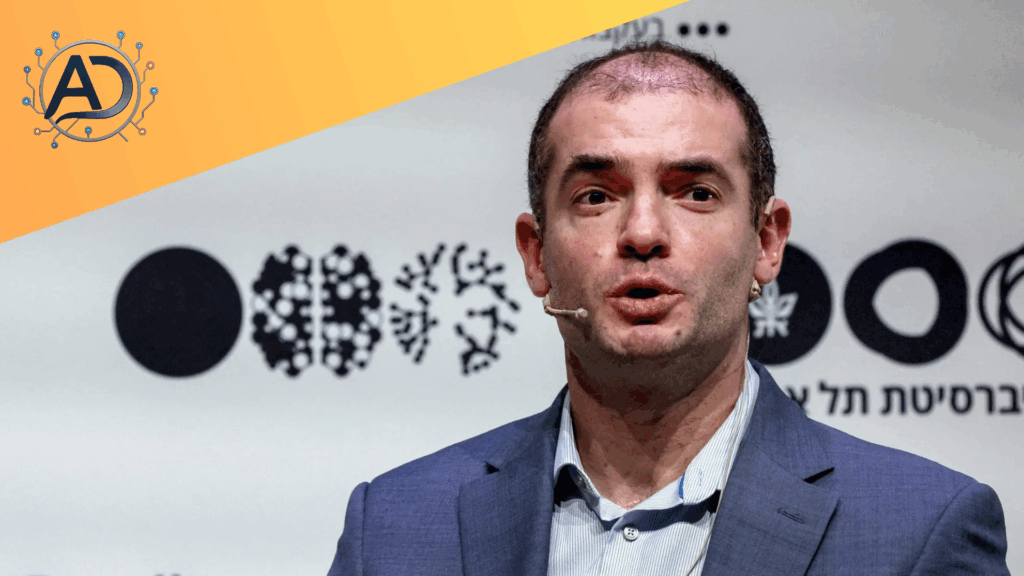
Last week, the headlines focused on the “what”: Daniel Gross stepped down as CEO of Safe Superintelligence Inc., and Ilya Sutskever stepped in.
But the real story might lie in the why, and what it says about where AI is going.
While most outlets ran the same updates, here we zoom out. Not to speculate wildly, but to ask better questions.
1. What is Ilya really trying to protect — and from whom?
Ilya Sutskever didn’t hesitate. According to multiple reports, he had no interest in selling to Meta, even though the offer was reportedly at SSI’s full $32 billion valuation. That kind of clarity rarely comes from money. It comes from fear, loyalty, or something deeper.
Sutskever co-founded OpenAI, witnessed its mission drift, and left after internal tensions boiled over. Now, leading a company literally called Safe Superintelligence, he seems more determined than ever to build AI under strict philosophical control.
So the question becomes:
Is he trying to protect the world from superintelligence?
Or is he trying to protect superintelligence from the world, from corporate incentives, investor pressure, and even people like Gross?
2. How can Safe Superintelligence build safer AI — without falling behind?
It’s easy to claim the moral high ground. It’s much harder to scale it.
SSI isn’t building nothing — they’re building something they hope will define the future of intelligence. But in an industry racing toward results, safety can feel like a speed bump.
So how will they move safer, but still smarter & fast enough?
How will they earn user trust without shipping a watered-down version of GPT or Gemini?
And if they take the high road, what will they have to give up?
These aren’t rhetorical questions. They’re product decisions. Engineering decisions. Branding decisions. And the market doesn’t give you much room to hesitate.
3. Why did Daniel Gross leave — if not for the money?
Daniel Gross wasn’t just CEO. He was a co-founder, a front-facing voice, and a serious believer in safe AI. His departure wasn’t quiet, but it was oddly smooth. No public rift. No manifesto. Just a clean jump… to Meta.
Why?
There’s a chance this wasn’t about money or disagreement, but about scale. About realizing that a few billion dollars in funding can’t compete with what Big Tech already owns: infrastructure, deployment pipelines, and global user bases.
Or maybe it’s the opposite. Maybe it wasn’t about ambition at all. Maybe Gross saw something inside SSI, or inside Ilya’s vision, that gave him pause.
4. Is Meta hiring safety leaders to shift its public image — or its internal direction?
When Meta hires someone like Gross, we’re left with two options.
Either Meta is genuinely shifting toward safer AI — or it’s trying to look like it is
Hiring ex-critics is one of the oldest moves in the playbook. It disarms public doubt, stalls outsider momentum, and gives your org a “reformer” sheen. But it could also reflect real change — a pivot from open-ended scale to more deliberate systems.
Maybe Meta’s move is sincere. Maybe it’s strategic.
Maybe it’s both.
And maybe that’s the hardest part about AI safety in 2025: You can’t always tell the difference.